Goomeri Water & Sewer Upgrades
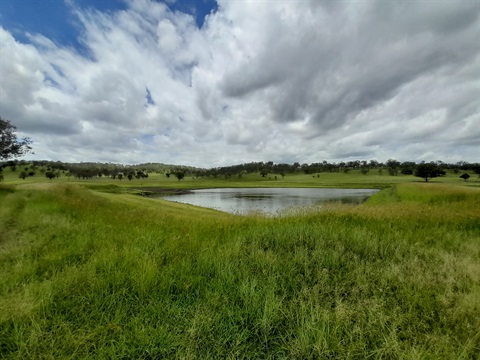
Gympie Regional Council is delivering coordinated upgrades to the Goomeri Water Treatment Plant (WTP) and Goomeri Sewage Treatment Plant (STP) to improve service reliability, strengthen environmental outcomes and support Goomeri’s long-term future. Goomeri’s drinking water has always been, and continues to be, safe to drink.
Works will include:
The Water Treatment Plant upgrade will maintain safe drinking water while improving long-term reliability and sustainability by:
- Improve resilience during algal bloom events
- Introduce a new hardness-reduction process and management of the saline waste
- Improving blending control between water sources for more consistent water quality
- Increase automation, remote operation capability and backup power reliability
The Sewage Treatment Plant upgrade will strengthen environmental protection and provide reliable wastewater services for Goomeri by:
- Resolve ongoing non-compliances to ensure the plant meets the conditions of Council's Environmental Authority licence
- Strengthen biological treatment prior to discharge to improve environmental outcomes
- Increase operational reliability and automation
Timing
- Mid-2026: Trial aeration of Kinbombi Pond to improve water quality and reduce algal blooms
- April–December 2026: Sewage treatment plant construction
- June–December 2026: Water treatment plant upgrades, including the new softening process
* timing subject to procurement and construction conditions
What is Council doing in Goomeri?
Gympie Regional Council is upgrading both the water treatment plant (WTP) and the sewage treatment plant (STP) to improve reliability, environmental performance and long-term sustainability of essential water and sewer services for the town.
Where does Goomeri's water come from?
Goomeri’s water is supplied from two sources:
Using two sources helps maintain a reliable water supply year-round.
Is Goomeri’s drinking water safe?
Yes. Goomeri’s drinking water has always been, and continues to be, safe to drink. These upgrades are focused on improving reliability, reducing hardness impacts and strengthening environmental outcomes for the future.
Why are upgrades needed if the water is safe?
These upgrades will also address several long-standing challenges:
- Blue-green algae can sometimes affect the Kinbombi Weir and Ponds, meaning this surface water source cannot always be used.
- Bore water is naturally hard, which can affect taste, cause scaling in pipes and appliances, and make treatment more complex (but does not pose a health risk).
Past softening processes created salty waste that interfered with sewage treatment and environmental compliance.
What is blue-green algae and why can it be harmful?
Blue-green algae (cyanobacteria) are naturally occurring microscopic organisms found in freshwater.
In still, warm and nutrient-rich conditions they can multiply quickly and form blooms.
Some blooms may produce toxins that affect water quality and pose risks to people, animals and the environment, which is why affected water cannot be used for drinking supply until it is safe.
How does blue-green algae affect water treatment?
When algae levels are high, water from Kinbombi Weir and Ponds cannot be used for drinking water treatment. Algal growth can also create operational challenges at the treatment plant, including blockages and additional treatment requirements. To protect public health and maintain reliable operations, the affected surface water source is temporarily taken offline.
Why does Goomeri sometimes change water sources?
|
Goomeri has two water sources, surface water from the Kinbombi system and local groundwater bores. Switching between these sources is a normal part of managing water quality and reliability.
When algae affects the Kinbombi Ponds, the system relies more on bore water, which remains safe to drink but is naturally harder. Using different sources at different times helps ensure the community continues to receive safe and reliable drinking water year-round.
|
What will change at the water treatment plant?
The WTP upgrade will ensure drinking water remains safe, consistent and reliable:
- Reduce the impact of algal blooms in the Kinbombi Ponds
- Introduce a new hardness-reduction process that does not create harmful saline waste
- Improve blending between water sources for more consistent quality
Increase automation, remote operation capability and backup power reliability
What will change at the sewage treatment plant?
The STP upgrade will strengthen environmental protection and reliable wastewater services for Goomeri:
- Strengthen biological treatment before treated water is released
- Increase treatment capacity and automation
Improve operational reliability and reduce emergency callouts
When will the work happen?
Works will occur across 2026, beginning with trial aeration of Kinbombi Pond in mid-2026 to help improve water quality and reduce algal blooms. Construction of the sewage treatment plant upgrades is scheduled from April to December 2026, with water treatment plant upgrades planned for mid to late 2026.
Will residents notice any disruption?
Most construction will occur within existing treatment plant sites. If any service interruptions are required, residents and businesses will be notified in advance.
What are the long-term benefits for Goomeri?
Once complete, the upgrades will:
- Keep drinking water safe while improving reliability and consistency
- Strengthen resilience during algal events or changing conditions
- Improve environmental compliance and protect local waterways
- Deliver modern infrastructure to support Goomeri’s long-term future